Top 10 Injection Molding Machine Mold Manufacturers
Choosing an injection molding machine mold manufacturer is not a simple search for the lowest quotation. The mold affects part quality, cycle time, maintenance needs, and production stability. A polished sample can look convincing. The harder test comes after thousands of cycles.
This guide compares ten manufacturers through practical considerations: mold-design experience, machining capabilities, quality controls, material expertise, and after-sales support. Look for evidence, not broad promises. Ask how a supplier handles cooling channels, venting, tolerances, and wear-prone areas. Request comparable project references, inspection records, and a clear maintenance plan. Details matter.
A useful principle, paraphrased from injection molding specialist Dr. John Beaumont’s published mold-design guidance, is: “Design the mold for the process, not just the part.” That distinction can separate a workable tool from a dependable production asset. Still, no ranking fits every buyer. A supplier suited to high-volume automotive components may not fit a small run of precision housings. Compare capabilities against your part geometry, resin, annual volume, and service requirements. Confirm what is included in the quote, and who handles revisions after sampling. This list is a starting point, not a substitute for technical review. Ask difficult questions. Then verify the answers.
What Injection Molds Do: Core Components, Materials, and Process Stages
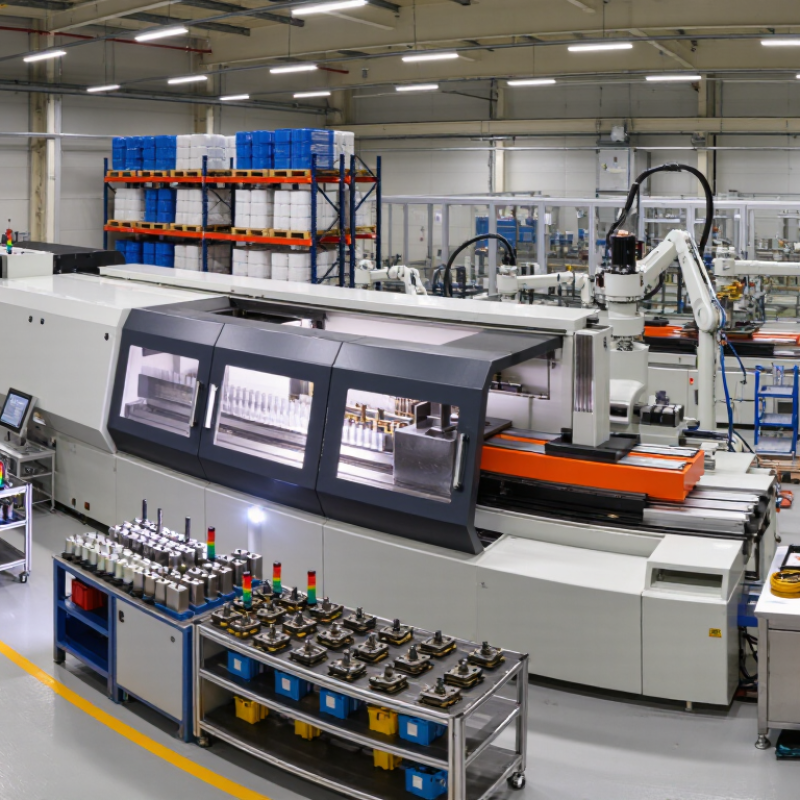
An injection mold shapes molten polymer into a repeatable part. Its core and cavity define the part’s inner and outer surfaces. The sprue, runners, and gate guide melt from the machine nozzle into the cavity. Cooling channels carry heat away, while vents release trapped air. Ejector pins then push the solidified part free. Small details matter: a blocked vent can leave burn marks, and uneven cooling can warp a flat panel.
Molds are commonly made from tool steel or aluminum. Steel usually suits long production runs and abrasive materials; aluminum can be easier to machine and useful for shorter runs. The right choice depends on expected shot count, resin, part geometry, and maintenance needs. There is no universal winner. A thick steel tool may last, but its cost and lead time can be difficult to justify for a short run.
The cycle moves through clamping, injection, packing, cooling, and ejection. Packing pressure helps compensate for material shrinkage; cooling often consumes much of the cycle. The details vary by machine and part. Grand View Research estimated the global injection-molded plastics market at USD 284.5 billion in 2023, underscoring the scale of production these tools support. That figure describes the plastics market, not mold sales. A useful distinction. In practice, mold design still involves trade-offs, and even a carefully tuned tool may need adjustment after trial runs.
How the Top 10 Mold Makers Differ by Tooling, Industries, and Global Reach
Top 10 Injection Molding Machine Mold Manufacturers: How the Top 10 Mold Makers Differ by Tooling, Industries, and Global Reach
The strongest mold makers differ less by sales language than by the problems their tooling can solve. Some specialize in compact, high-cavity molds for thin packaging. Others build large tools for automotive panels or durable equipment housings. Steel grade, cavity layout, cooling channels, and runner design all affect cycle time and part consistency. Small details matter.
Industry experience shapes the design choices. Medical components may require cleanable surfaces and tight dimensional control, while consumer products often prioritize appearance and fast production. Mold-flow analysis can flag likely weld lines or uneven filling before steel is cut. It helps, but it cannot replace sound sampling and careful adjustments on the shop floor. Real parts reveal surprises.
Global reach also means more than shipping a finished mold overseas. Buyers should check where makers provide installation, spare components, maintenance, and technical support. A tool that runs well in one plant may need different process settings elsewhere. Ask about trial reports, expected tool life, and how repair requests are handled across time zones. No checklist captures every shop, and published capacity figures can leave out the details that matter most.
Top 10 Injection Molding Machine Mold Manufacturers - How the Top 10 Mold Makers Differ by Tooling, Industries, and Global Reach
An anonymized comparison of common mold-maker profiles. These entries describe regional and capability patterns; they are not a verified company ranking or claims about specific manufacturers.
| Profile | Typical tooling focus | Common industries served | Typical production location | Global reach pattern | Common differentiator |
|---|---|---|---|---|---|
| 1. High-volume automotive specialist | Large, multi-cavity, production molds; emphasis on repeatability and dimensional control | Automotive interiors, under-hood components, and vehicle systems | Common in major automotive manufacturing regions | Often supports programs across borders through export tooling and regional suppliers | Experience with long production runs, validation, and mold maintenance planning |
| 2. Precision medical-mold specialist | Precision, multi-cavity molds for small components; designs may accommodate cleanroom production requirements | Medical devices, diagnostic consumables, and laboratory products | Typically located near established medical-device supply chains | May serve regulated markets internationally, subject to the customer’s quality and compliance requirements | Process documentation, traceability, and control of fine features |
| 3. Consumer-electronics tooling specialist | Thin-wall parts, cosmetic surfaces, tight tolerances, and molds suited to rapid product revisions | Electronics housings, accessories, and connected devices | Often situated in electronics manufacturing clusters in Asia | Frequently coordinates tooling and production with international electronics supply chains | Fast design iteration and attention to surface finish and assembly fit |
| 4. Packaging and closure mold specialist | High-cavitation molds for caps, closures, and thin-wall packaging components | Food and beverage packaging, household products, and personal care | Found near large packaging converters and consumer-goods production centers | Tooling is commonly supplied to regional and multinational packaging operations | Cavity balance, cycle-time considerations, and serviceability in continuous production |
| 5. Large-part appliance and housing molder | Large single- or multi-cavity molds for structural and cosmetic parts | Home appliances, electrical enclosures, and industrial housings | Often operates close to appliance and durable-goods manufacturing bases | Can serve both domestic assembly plants and overseas production sites | Large-tool handling, warpage management, and integration of cosmetic and structural requirements |
| 6. Multi-material and overmolding specialist | Two-shot, insert, and overmolding tools designed for material bonding or combined functions | Automotive, consumer products, electrical components, and selected medical products | Present in established engineering and plastics-processing regions worldwide | Usually project-based, with reach determined by specialized equipment and customer networks | Knowledge of material compatibility, sequencing, and tooling interfaces |
| 7. Prototype and bridge-tooling shop | Prototype, low-volume, and bridge-production molds; commonly supports design changes | Product development across automotive, electronics, medical, and consumer goods | Often located near design centers, engineering firms, or local manufacturing clusters | Can work internationally through digital design reviews and shipment of tools or parts | Shorter development cycles and flexibility for engineering changes |
| 8. Export-focused full-service mold maker | Broad range of production tooling, from standard single-cavity molds to complex multi-cavity tools | Automotive, appliances, packaging, and general consumer products | Common in major Asian mold-making centers, including China | Export-oriented operations may supply customers across North America, Europe, and Asia | Range of tooling options, export logistics experience, and coordination with overseas customers |
| 9. Regional engineering and service partner | Production molds, modifications, repairs, and local engineering support | Industries with nearby injection-molding plants, including automotive and industrial goods | Located near customer manufacturing sites in regional markets | Primarily regional, with international work often tied to customer programs | Local response for sampling, troubleshooting, maintenance, and engineering changes |
| 10. Micro-feature and precision-component specialist | Small, precision molds for miniature parts and fine geometries; often requires specialized machining and inspection | Electronics, connectors, optics-related components, and medical devices | Typically based in advanced manufacturing or precision-engineering clusters | Specialized projects may reach customers worldwide, though production footprints vary | Control of small features, measurement capability, and repeatable process setup |
Note: Capabilities and export reach vary by facility and project. Validate tooling specifications, sampling plans, quality systems, service coverage, and relevant industry experience directly with prospective suppliers.
SPI Classes 101–105: Mold-Life Ratings from 500 to 1M+ Cycles
SPI classes give buyers a practical way to discuss expected mold life, not a guarantee of production output. Class 105 molds are typically intended for fewer than 500 shots, often for prototypes or early design checks. Class 104 is generally rated up to 100,000 shots, while Class 103 is rated up to 500,000. Class 102 commonly covers up to one million shots, and Class 101 is built for one million shots or more. Check the supplier’s specifications, since project requirements and quoted limits may vary.
Cycle life depends on more than the class number. Abrasive or glass-filled resins can wear gates and cavities faster. High injection pressure, uneven cooling, and poor venting can also shorten service life. A useful review includes the resin, expected annual volume, part geometry, and maintenance plan. Ask how the mold will be inspected and which components may need replacement. Look closely at slides, shutoffs, and the parting line; tiny wear marks can become flash or dimensional drift. A rating can look reassuring on paper. Real production may be less tidy, and that deserves honest discussion before choosing a mold.
Cooling Design and Cycle Time: Cooling Can Take 50–80% of a Molding Cycle
Cooling can account for 50–80% of a molding cycle, depending on the part, resin, and process settings. That makes mold cooling design a major factor when comparing injection molding machine mold manufacturers. A thick rib may stay hot long after a thin wall feels stable. If ejection happens too early, the part can warp or retain marks.
Good design places cooling channels near heat-heavy areas while preserving enough steel for mold strength. Channel diameter, spacing, and water flow all matter. For example, a temperature difference between the two mold halves can leave a flat panel bowed after ejection. Sensors and flow checks help identify uneven cooling, but they cannot replace trials with the actual material and part geometry. Small details matter.
Cycle-time estimates should be treated carefully. A simulation may predict fast cooling, yet real production can differ because of scale, water quality, or machine settings. A capable mold supplier should explain its assumptions and show how cooling performance will be checked during sampling. Conformal channels can help reach complex shapes, but they are not automatically the best choice; cost, maintenance, and mold life still count. One part of the process remains imperfect: production data may reveal hot spots that initial analysis missed.
How to Assess Mold Makers: DFM, Tool Steel, Validation, and ISO 9001
A capable injection-mold maker should show more than a polished CAD model. Ask for a Design for Manufacturing review covering wall thickness, draft angles, gate locations, weld lines, and likely sink marks. The review should identify risks before steel is cut. Small changes matter. A 0.2-millimeter adjustment can affect fit, cooling, or appearance, depending on the part.
Tool steel should match the resin, expected shot count, and surface finish. Request the steel grade, hardness records, and traceable material certificates. Then ask how the supplier validates the mold: dimensional reports, first-article samples, cavity balance checks, and documented process settings. The ISO Survey 2022 recorded more than 1.2 million ISO 9001 certificates worldwide. That scale makes certification familiar, but a certificate alone does not prove mold-making skill; review the supplier’s actual inspection records and corrective-action process.
Tips: Bring a marked-up part drawing and expected production volume to the first review. Ask the mold maker to explain one design risk in plain language. Check whether the proposed validation plan includes your critical dimensions and resin. If answers sound vague, pause. Even experienced teams can overlook details, and a rushed approval can leave costly questions for production.
How to Assess Injection Mold Makers
Suggested evaluation weights for comparing mold makers. These are a buyer’s scoring framework, not measured industry statistics.
Review DFM feedback, steel grade and traceability, documented mold trials, and inspection records. ISO 9001 indicates a quality management system; it does not by itself certify mold performance or guarantee part quality.
Related Posts
-
Why Choose Injection Molding for Your Products?
-
Best Injection Molding Machine Molds for Global Buyers?
-
7 Essential Tips for Optimizing Your Plastic Mold Making Machine for Maximum Efficiency
-
Revolutionizing Production Efficiency with Advanced Plastic Mold Making Machines in 2023
-
How to Optimize Your Injection Molding Machine Mold for Maximum Efficiency and Quality
-
Top 10 Benefits of Automotive Injection Molding You Need to Know
Submit a quote request or book a design consultation
Plastimold Products is an end-to-end product development and manufacturing team. We provide product design, engineering, prototyping, tooling, plastic injection molding, assembly, packaging and fulfillment. We work with any size company from start-ups to enterprises from all around the world.
I have a product I want to manufacture
I have a product that is already designed and now needs to be manufactured.
I need a manufacturer to optimize my product for injection molding, help choose the correct material, and manage the product production.
I have tooling that I want to transfer or modify, or I need to produce new tooling.
I need design and engineering support
I have a product concept that I want to be designed and brought to market.
I have a product that needs to be reviewed, improved or DFM’ed.
I am looking for a manufacturer to provide an end-to-end solution, from design and development to inventory, marketing, and sales.

©2022 Plastimold Products - Privacy policy - Terms and Conditions