
2026 Top Big Roots Blower Types for Global Buyers

The 2026 market for industrial air equipment is becoming more selective. Global buyers now compare energy use, pressure stability, maintenance access, and total ownership cost. A Big Roots Blower remains important where factories need steady, oil-free airflow. Typical applications include wastewater aeration, pneumatic conveying, cement handling, food processing, and chemical production.

Industry forecasts support this broader demand. Grand View Research has identified industrial blowers as a growing equipment segment, driven by wastewater treatment, manufacturing expansion, and stricter process-efficiency goals. MarketsandMarkets also connects blower-market growth with automation, environmental infrastructure, and energy-conscious plant design. These reports do not make every blower suitable for every site. That distinction matters.

A Roots-type blower can deliver stable displacement at relatively low pressure ranges. Its simple lobe design also supports predictable servicing. However, it may consume substantial power when selected without proper system calculations. The U.S. Department of Energy’s compressed-air guidance repeatedly emphasizes leak control, pressure management, and efficient equipment sizing. Buyers should therefore examine operating points, not only catalog capacity.

Small details affect real performance. A dusty conveying line needs effective filtration. A wastewater plant may require corrosion-resistant materials and variable-frequency control. Noise limits can also influence enclosure design. Some product comparisons remain too focused on rated airflow. That is an incomplete view.

This guide reviews major Big Roots Blower types expected to attract global buyers in 2026. It considers positive-displacement models, high-pressure configurations, oil-free designs, and customized packaged systems. The final choice should follow verified site data, supplier testing, lifecycle calculations, and local service capability. Forecasts are useful. Field conditions are better.
2026 Top Big Roots Blower Types for Global Buyers

What Is a Big Roots Blower and How Does It Work?

2026 Top Big Roots Blower Types for Global Buyers

What Is a Big Roots Blower and How Does It Work?

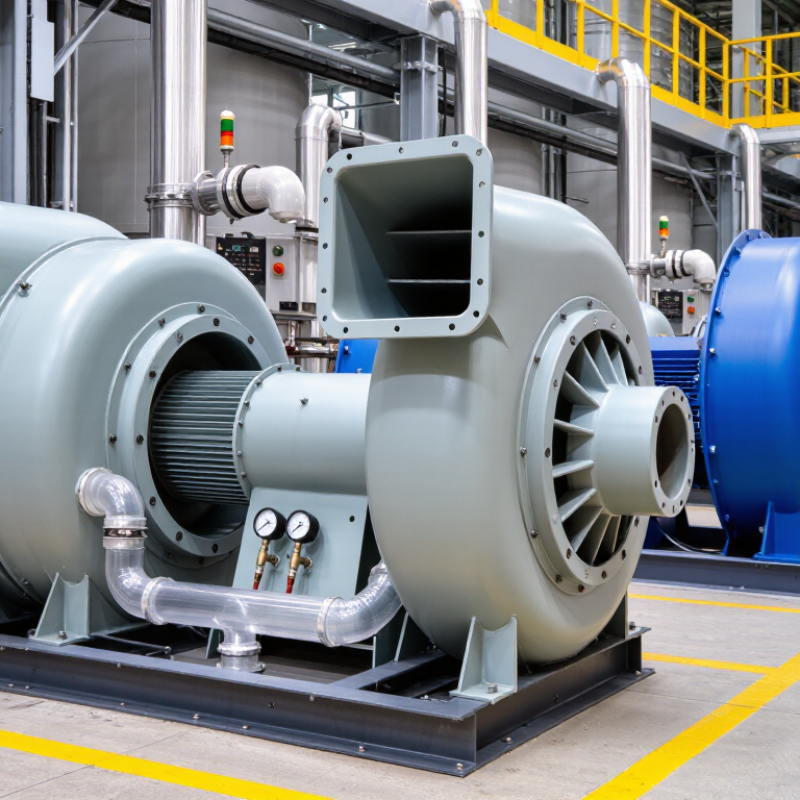
A big Roots blower is a positive-displacement machine that moves air with rotating lobes. It does not compress air internally like a screw compressor. Instead, two synchronized rotors trap air near the inlet and carry it toward the discharge. System resistance then creates pressure. The timing gears keep the lobes separated, while the compression chamber usually remains oil-free. Two-lobe models offer simple construction and strong airflow. Three-lobe designs usually reduce pulsation and operating noise. Multistage arrangements can provide higher pressure for demanding processes.

These blowers support wastewater aeration, pneumatic conveying, combustion air, and industrial vacuum systems. Selection requires more than checking airflow. Engineers should match capacity, pressure, altitude, gas temperature, motor frequency, and duty cycle. A large unit may deliver impressive volume, yet waste energy when the pipe network is poorly designed. Small errors matter. In practice, inlet filters, flexible connectors, relief valves, and sound protection deserve equal attention. The blower is only one part of the system.

Tips: Confirm actual operating pressure, not only the catalog rating. Check local electrical standards and spare-part availability before ordering. Monitor bearing temperature, vibration, oil level, and filter condition during operation. A commissioning log helps reveal unusual changes early. Some buyers overlook noise measurements. That decision often requires correction later.

Which Big Roots Blower Types Are Available in 2026?

In 2026, global buyers can choose several big Roots blower types for wastewater aeration, pneumatic conveying, and industrial vacuum service. The main options include bi-lobe and tri-lobe designs. Bi-lobe models are simple, accessible, and often cost-effective for steady airflow. Tri-lobe models usually produce smoother discharge pulses and lower vibration.

Oil-free Roots blowers keep lubricants away from the compression chamber. This feature suits clean-air duties and sensitive conveying processes. However, “oil-free” does not mean the entire machine needs no oil. The timing gears and bearings may still require lubrication. Buyers should check the complete technical drawing, not only the product label. Small misunderstandings become expensive during installation.

Big blowers are also available in horizontal or vertical configurations. A vertical unit can save floor space, while a horizontal arrangement may simplify maintenance access.

Variable-speed drive systems help match airflow to changing demand. Fixed-speed units remain practical where operating conditions are stable. Not always.

Field experience shows that noise, heat, and pressure loss deserve equal attention. A blower may deliver the rated flow in a test room, yet perform differently with long pipes, dirty filters, or hot air. Cast-iron units offer strong durability for demanding service, while stainless or coated versions may suit corrosive environments. Buyers should compare airflow, pressure, motor efficiency, service intervals, and spare-part availability before selecting a type. A cautious review is worthwhile.

How Do Lobe Designs Affect Blower Performance?

2026 Top Big Roots Blower Types for Global Buyers

How Do Lobe Designs Affect Blower Performance?

Big roots blowers move air through timed lobes and fixed internal clearances. Their lobe design directly affects airflow smoothness, pressure stability, noise, and energy demand. Traditional two-lobe rotors are mechanically simple and easy to inspect. However, they create stronger pressure pulses at the discharge outlet. Three-lobe designs divide each rotation into smaller pressure events. This usually produces smoother flow and lower vibration. Helical or twisted lobes can reduce pulsation further, especially in continuous-duty systems. They may also require tighter manufacturing control and more careful maintenance.

Tips: Match the lobe profile with the operating pressure, speed, gas temperature, and duty cycle. Do not select a blower by capacity alone. Check the actual working point, including pipe losses and filter resistance. A wider inlet may improve flow, but poor timing or excessive clearance can waste that advantage.

For wastewater aeration, pneumatic conveying, and industrial vacuum service, the best design depends on process conditions. A low-pressure system may benefit from a simple two-lobe rotor and lower purchase cost. A high-pressure application may favor three-lobe or helical geometry for reduced pulsation. Yet the quietest design is not always the most efficient one. Some published performance figures assume ideal installation conditions. Real systems often include leaks, hot air, dirty filters, or uneven loading. These details can change results noticeably. Careful testing remains necessary.

2026 Top Big Roots Blower Types for Global Buyers: How Do Lobe Designs Affect Blower Performance?

The chart compares representative operating pressure ranges for common Roots blower rotor designs. Multi-lobe and twisted-lobe profiles generally reduce pulsation and noise, while the actual pressure limit depends on rotor geometry, speed, cooling, sealing, and system conditions.

Indicative industry ranges shown in kPa differential pressure; actual specifications vary by blower size and operating conditions.

What Factors Should Global Buyers Consider Before Purchasing?

2026 Top Big Roots Blower Types for Global Buyers

What Factors Should Global Buyers Consider Before Purchasing?

Choosing a big Roots blower starts with the process, not the catalog picture. Buyers should define required airflow, discharge pressure, gas composition, operating temperature, and daily running hours. A unit designed for low-pressure aeration may struggle in pneumatic conveying. That mismatch can create heat, vibration, and costly downtime.

Check whether the blower uses a positive displacement design, air cooling, or water cooling. Compare actual performance curves, not only maximum flow figures. Ask for noise data at the intended pressure. In a factory, a small rating difference can affect worker comfort and enclosure costs. Inspect the materials that contact the gas, especially when moisture, dust, or mild chemical exposure is present.

Global purchases also require careful review of voltage, motor frequency, connection standards, documentation, and spare-part availability. Confirm testing procedures before shipment. Installation support matters when local technicians have limited experience with large rotating equipment. My purchasing reviews have shown that the cheapest offer often excludes filters, silencers, sensors, or commissioning work. The final cost changes quickly.

Do not trust every efficiency claim.

Request measured data and test conditions. A perfect spreadsheet can still miss seasonal temperature changes, altitude, or unstable demand. Buyers should leave a realistic operating margin, but excessive oversizing wastes energy. That balance deserves an honest engineering review before payment.

2026 Top Big Roots Blower Types for Global Buyers - What Factors Should Global Buyers Consider Before Purchasing?
Roots Blower Type Operating Principle Typical Pressure or Vacuum Range* Typical Airflow Range* Main Advantages Main Limitations Common Applications Key Factors to Check Before Purchasing
Conventional Tri-Lobe Roots Blower Two counter-rotating, non-contacting tri-lobe rotors transport nearly constant air volume from the inlet to the discharge side. Positive pressure: commonly up to about 1.0 bar(g), depending on speed, cooling, and configuration.

Vacuum: commonly up to about 0.5 bar(g) vacuum.
Approximately 100 to 10,000 m³/h, depending on frame size and operating speed. Simple construction, reliable continuous operation, easy maintenance, and good suitability for stable flow requirements. Higher pulsation and noise than multi-lobe or internally compressed designs; efficiency decreases as pressure ratio rises. Wastewater aeration, pneumatic conveying, aquaculture, cement handling, grain conveying, and industrial air supply. Confirm required flow at actual operating pressure, motor power, maximum speed, inlet filtration, discharge temperature, relief protection, and service availability.
Helical Tri-Lobe Roots Blower Tri-lobe rotors with a helical profile reduce the volume of each discharge pulse and provide smoother gas transfer. Positive pressure: commonly up to about 1.0 bar(g).

Vacuum: commonly up to about 0.5 bar(g) vacuum.
Approximately 200 to 12,000 m³/h, subject to model size, speed, and pressure conditions. Lower pulsation, reduced vibration, and generally lower noise than straight-lobe designs at comparable operating conditions. More complex rotor geometry and potentially higher purchase cost; performance still depends strongly on pressure ratio and clearances. Municipal and industrial wastewater treatment, pneumatic conveying, chemical processing, and applications requiring smoother airflow. Compare sound pressure, vibration, specific power consumption, rotor balance, allowable duty cycle, and performance at the buyer’s actual altitude and ambient temperature.
Two-Lobe Roots Blower Two counter-rotating lobes move fixed volumes of gas without internal compression. Positive pressure: commonly up to about 0.8 bar(g).

Vacuum: commonly up to about 0.5 bar(g) vacuum.
Approximately 50 to 8,000 m³/h, depending on frame size and speed. Robust, mechanically straightforward, widely understood by maintenance teams, and suitable for intermittent or moderate-duty service. More airflow pulsation and acoustic noise; often less energy-efficient than tri-lobe or internally compressed alternatives at higher pressure. Low-to-moderate pressure conveying, small and medium wastewater systems, gas boosting, and general industrial air service. Check whether pulsation is acceptable, whether a silencer or pulsation damper is needed, and whether the selected model can operate continuously at the required pressure.
Internally Compressed Roots-Type Blower The rotor profile provides limited internal compression before the gas reaches the discharge port, reducing backflow and compression losses. Often suitable for positive-pressure duties above conventional low-pressure limits; the exact range is design-specific and must be verified from the performance curve. Approximately 300 to 15,000 m³/h for large industrial configurations. Lower specific energy consumption than a conventional Roots blower in suitable pressure-ratio applications; smoother discharge and reduced temperature rise. Higher engineering complexity, tighter operating requirements, and greater sensitivity to incorrect selection or contaminated gas. High-volume aeration, process gas handling, pneumatic conveying, and continuous industrial duties where energy cost is important. Request certified performance data showing power, flow, discharge temperature, pressure ratio, turndown capability, and efficiency at the complete operating envelope.
Oil-Free Roots Blower Package The compression chamber is isolated from lubricating oil; bearings and gears are lubricated separately from the transported gas path. Usually selected for low-pressure air or gas service; allowable pressure and vacuum depend on the specific package design. Approximately 100 to 20,000 m³/h across small to large industrial packages. Prevents oil contamination of the conveyed medium and can satisfy clean-air requirements when correctly filtered and maintained. Oil-free does not mean maintenance-free; inlet contamination, moisture, temperature, and seal condition can affect reliability. Wastewater aeration, food and beverage utilities, pharmaceutical processes, electronics manufacturing, and clean pneumatic conveying. Verify the required air-quality class, materials of construction, sealing method, filtration level, condensate management, and documentation for hygienic or regulated applications.
Water-Cooled or High-Temperature Roots Blower A Roots-type air end is combined with additional thermal management to control casing, bearing, or discharge temperatures during demanding operation. Pressure and vacuum limits are application-specific; continuous operation at the required pressure must be confirmed using corrected performance data. Approximately 500 to 20,000 m³/h for large continuous-duty installations. Better temperature control for high ambient temperatures, high pressure ratios, or extended continuous operation. Requires cooling-water quality or additional cooling equipment; installation and maintenance are more demanding. Industrial process air, mineral processing, chemical plants, high-temperature conveying, and large wastewater facilities. Check cooling-water flow and quality, heat rejection, corrosion protection, ambient conditions, emergency shutdown logic, and the total lifecycle cost.
Variable-Speed Roots Blower System A Roots blower is driven by a variable-frequency drive or another speed-control system so that airflow follows changing process demand. Pressure and vacuum limits remain governed by the blower air end; operating speed must stay within the manufacturer’s allowable range. Typically operated over a controllable range of about 40% to 100% of rated speed, subject to minimum speed, motor, and process limits. Improved turndown, reduced unloading losses, better process control, and potential energy savings when demand varies significantly. Higher control-system complexity; operation below minimum speed or outside the efficient range may cause overheating or unstable performance. Variable-load wastewater aeration, centralized conveying, vacuum systems, and process plants with changing production demand. Evaluate the actual load profile, minimum and maximum flow, drive efficiency, harmonic mitigation, motor cooling, control signals, bypass requirements, and grid compatibility.

*Indicative industry ranges only. Actual performance depends on blower displacement, rotor speed, pressure ratio, gas composition, inlet temperature, altitude, humidity, cooling method, clearances, and package configuration. Global buyers should use certified performance curves and standards-based test data for final selection. Airflow may be stated as inlet volume, standard volume, or free-air delivery; these definitions must be confirmed before comparing quotations.

How Can Buyers Compare Installation, Maintenance, and Operating Costs?

2026 Top Big Roots Blower Types for Global Buyers

How Can Buyers Compare Installation, Maintenance, and Operating Costs?

Large roots blowers usually fall into three groups: two-lobe, tri-lobe, and high-speed integrated designs. Two-lobe units often cost less initially. However, they may create stronger pulsation and require larger silencers. Tri-lobe models can reduce noise and vibration. Their purchase price is commonly higher. High-speed designs may save floor space, but they need careful control and cooling arrangements.

Installation costs begin with the foundation, not the blower price. Check the concrete load, anchor positions, inlet filtration, and discharge piping. A short, correctly sized pipe can reduce pressure loss. Poor alignment may cause coupling wear within months. On one wastewater project, relocating the intake filter later required extra lifting equipment and shutdown time. That detail was missed during the first quotation.

Maintenance comparisons should include filters, belts, oil, seals, bearings, and inspection labor. Ask for service intervals under your actual dust and temperature conditions. Operating cost depends mainly on pressure, airflow, motor efficiency, and annual running hours. A useful method is to compare five-year cost per delivered cubic meter. Do not trust a simple electricity estimate. It may ignore standby operation and pressure changes. My own early models have underestimated cleaning time. Buyers should request measured performance data, warranty terms, spare-part lead times, and local technician availability before selecting a type.

Article Source:

Submit a quote request or book a design consultation

Plastimold Products is an end-to-end product development and manufacturing team.  We provide product design, engineering, prototyping, tooling, plastic injection molding, assembly, packaging and fulfillment.  We work with any size company from start-ups to enterprises from all around the world.

I have a product I want to manufacture

I have a product that is already designed and now needs to be manufactured. 

I need a manufacturer to optimize my product for injection molding, help choose the correct material, and manage the product production.

I have tooling that I want to transfer or modify, or I need to produce new tooling.

I need design and engineering support

I have a product concept that I want to be designed and brought to market.

I have a product that needs to be reviewed, improved or DFM’ed.

I am looking for a manufacturer to provide an end-to-end solution, from design and development to inventory, marketing, and sales.
