
2026 Top Ankle Splint Types Which Is Best?
Choosing the right Ankle Splint in 2026 is not simply a matter of picking the strongest design. A brace that feels secure in a clinic may become uncomfortable after six hours at work. Another may fit well during walking but restrict movement during sport. The best choice depends on the injury, swelling, activity, footwear, and recovery stage.
This guide examines common types, including compression sleeves, lace-up braces, stirrup supports, hinged models, and rigid immobilizers. Each design serves a different purpose. A compression sleeve may help with mild swelling and daily comfort. A stirrup brace can limit unwanted side-to-side motion after an ankle sprain. Hinged supports often balance protection with controlled movement. Rigid devices provide greater stability, but they can feel bulky and may weaken normal movement if used unnecessarily.
Fit matters more than marketing language. Measure the ankle as directed, check circulation, and inspect the skin after wearing the brace. Numb toes, increasing pain, or unusual color changes require prompt attention. A healthcare professional should assess serious swelling, deformity, numbness, or an inability to bear weight. This guide uses practical comparisons and established rehabilitation principles, but it cannot replace an individual examination.
There is no universal winner. That sounds obvious, yet people often overlook it. Even experienced users can choose a brace that is too tight or too restrictive. By comparing support level, comfort, adjustability, mobility, and intended use, readers can make a safer, more informed decision.
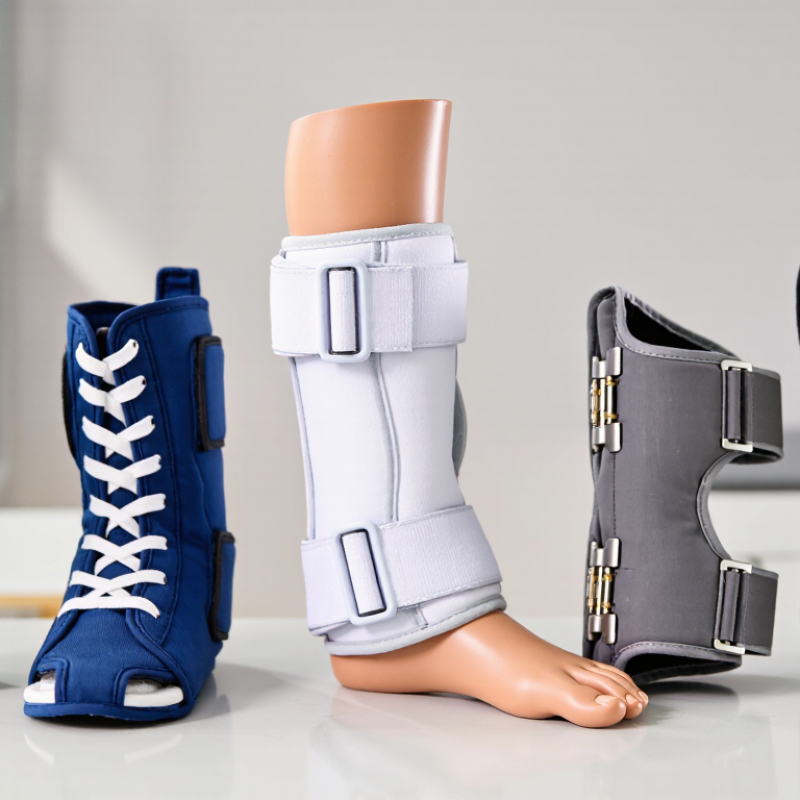
Ankle Splints Explained: Purpose, Design, and Common Uses
An ankle splint supports injured ligaments, limits painful motion, and protects the joint during healing. Its design matters more than its appearance.
A compression sleeve offers light pressure and warmth, but little mechanical control.
A lace-up splint uses fabric panels and adjustable straps to limit side-to-side movement.
A stirrup splint adds firm shells around the ankle and usually controls inversion better.
A rigid walking boot provides the strongest protection, though it can restrict normal movement and alter gait.
Common uses include ankle sprains, tendon irritation, post-injury protection, and temporary support after medical treatment.
A 2021 systematic review in the Journal of Athletic Training reported that ankle sprains remain among the most frequent sports injuries, with recurrence continuing to be a major concern. Evidence reviewed by the Cochrane Library also suggests that functional supports can help some people return to activity after a sprain, especially when combined with rehabilitation.
The best type depends on injury severity, swelling, stability, and walking ability. For mild instability, a lace-up design may balance support and movement. A stirrup model may suit early protection after a moderate sprain.
Severe pain or suspected fracture requires professional assessment, not online selection. That point is easy to overlook.
A splint should feel secure, never numb or sharply painful. Clinical judgment still beats a generic “top” list.
Sources: Journal of Athletic Training, 2021; Cochrane Library, ankle injury rehabilitation reviews.
Main Types of Ankle Splints and How They Differ
Choosing the best ankle splint depends on the injury, swelling, and required movement. A compression sleeve offers light support and warmth. It suits mild soreness or recovery after swelling decreases.
A lace-up splint limits side-to-side motion while preserving some walking flexibility. It often fits minor sprains and return-to-activity plans.
A stirrup splint uses firm side panels. It gives stronger lateral protection but may feel bulky inside a shoe.
A 2013 National Athletic Trainers’ Association position statement reported that ankle sprains represent 10% to 30% of sports injuries. NCAA Injury Surveillance Program analyses also consistently identify ankle ligament injuries among common sports injuries.
These figures support careful protection, not automatic immobilization. For moderate sprains, a semi-rigid or hinged splint can control harmful motion while allowing gradual rehabilitation.
A rigid walking boot provides greater stability, but it can reduce normal muscle use and should not become a default choice.
The neat ranking fails in practice. A tight sleeve may worsen numbness. A rigid splint may irritate the heel after several hours.
Check skin color, swelling, and toe sensation after fitting.
Persistent pain, deformity, or inability to bear weight needs professional assessment.
Some people choose maximum support too early, then struggle with stiffness later. That is an easy mistake.
The best ankle splint is the least restrictive option that safely controls the injured movement and matches the clinician’s recovery plan.
How to Choose the Best Ankle Splint for Your Condition
An ankle splint should match your injury, daily movement, and healing stage. A lace-up brace can support a mild sprain while allowing careful walking. A semi-rigid splint offers stronger side-to-side control for repeated instability. For a suspected fracture or after surgery, a rigid immobilizer may be safer, but only after professional assessment.
More support is not always better.
Check the fit in the afternoon, when swelling often increases. Your heel should sit firmly against the back, without pressure on the Achilles tendon. Toes should remain warm, pink, and free to move. Remove the splint and seek medical advice if numbness, worsening pain, or skin discoloration appears.
Thin socks can reduce rubbing, though this detail is easy to overlook. A clinician may also assess walking pattern, ligament tenderness, and imaging results before recommending a device.
Do not use a splint to keep training through sharp pain. I have seen people tighten braces too much, believing discomfort means better protection. It usually means the fit needs review.
A follow-up check is especially important when swelling changes or the ankle feels unstable after several days.
Comparing Comfort, Support, Mobility, and Stability
2026 Top Ankle Splint Types: Which Is Best?
Choosing an ankle splint means balancing comfort, support, mobility, and stability. A rigid brace offers strong side-to-side control after a severe sprain. However, it can restrict natural walking and create pressure near the heel. A lace-up design feels more adjustable. It may suit mild instability, daily movement, or gradual return to sport. Comfort matters because a painful brace often stays in a drawer.
The American Orthopaedic Foot & Ankle Society reports that ankle sprains are among the most common musculoskeletal injuries. Research published in the Journal of Athletic Training estimates about two million ankle sprains occur annually in the United States.
These figures support careful protection, but they do not make every brace suitable for every user. A brace should fit firmly without numbness, skin discoloration, or sharp rubbing. Check the toes after ten minutes of walking.
Mobility changes the decision. A compression sleeve permits nearly unrestricted movement, but it provides limited structural control. A stirrup splint improves stability during side movements, though bulky shells may affect footwear. For repeated sprains, a semi-rigid model can offer practical balance. Still, evidence does not prove that maximum restriction always produces faster recovery. That assumption needs reconsideration. Personal injury history, swelling, footwear, and rehabilitation goals should guide selection. A physiotherapist or qualified clinician can assess gait and fit before prolonged use.
Safe Fitting, Daily Wear, and Ankle Splint Care
2026 Top Ankle Splint Types: Which Is Best?
The best ankle splint depends on injury, activity, and comfort, not appearance. A lace-up splint suits mild instability and daily walking. A rigid stirrup model offers stronger side-to-side control after a sprain. A walking boot provides greater protection, but it may limit normal movement and feel heavy.
Safe fitting matters every day. Wear a clean, moisture-wicking sock beneath the splint. Your heel should rest fully inside the back section. Tighten the straps until support feels firm, never numb. Check your toes after ten minutes. They should remain warm, pink, and movable. Pain, tingling, unusual swelling, or pale skin requires removal and professional advice.
Do not ignore pressure marks.
Daily wear should include short skin checks, especially around the ankle bones and heel. Increase wearing time gradually rather than using the splint all day immediately. A clinician can confirm whether the support matches your injury and walking pattern. Children, people with diabetes, and anyone with reduced sensation need extra caution because skin damage may be harder to notice.
Even a well-fitted splint can restrict strength if worn longer than necessary. That point is easy to overlook. Clean the splint according to its material, then air-dry it completely. Inspect seams, hinges, and straps for damage before each use. Never share a splint without proper cleaning and refitting.
Article Source:
Submit a quote request or book a design consultation
Plastimold Products is an end-to-end product development and manufacturing team. We provide product design, engineering, prototyping, tooling, plastic injection molding, assembly, packaging and fulfillment. We work with any size company from start-ups to enterprises from all around the world.
I have a product I want to manufacture
I have a product that is already designed and now needs to be manufactured.
I need a manufacturer to optimize my product for injection molding, help choose the correct material, and manage the product production.
I have tooling that I want to transfer or modify, or I need to produce new tooling.
I need design and engineering support
I have a product concept that I want to be designed and brought to market.
I have a product that needs to be reviewed, improved or DFM’ed.
I am looking for a manufacturer to provide an end-to-end solution, from design and development to inventory, marketing, and sales.

©2022 Plastimold Products - Privacy policy - Terms and Conditions

